Hibiscus: Can the World's Prettiest Tea Sharpen Your Brain?
Last month I read a claim that stopped me mid-scroll. A few cups of hibiscus tea a day, it said, can lower your blood pressure about as well as a starter dose of prescription medication. My inner scientist made the noise it always makes. Prove it.
So I did what I do. I went digging through every study I could find, from clinical trials in Mexico and Iran to a mouse experiment in Korea that made headlines about Alzheimer’s. What I found surprised me twice. Once because the blood pressure claim largely holds up. And once because of what’s only just starting to emerge about hibiscus and the brain.
The tea that isn’t actually tea
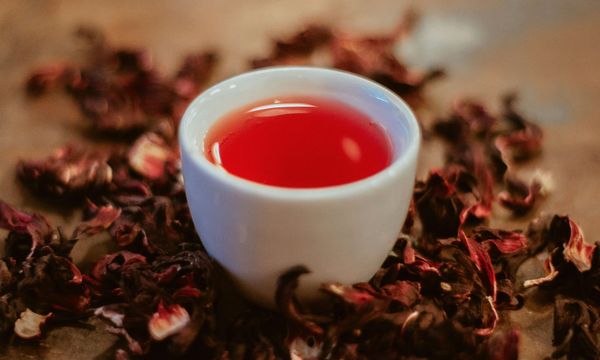
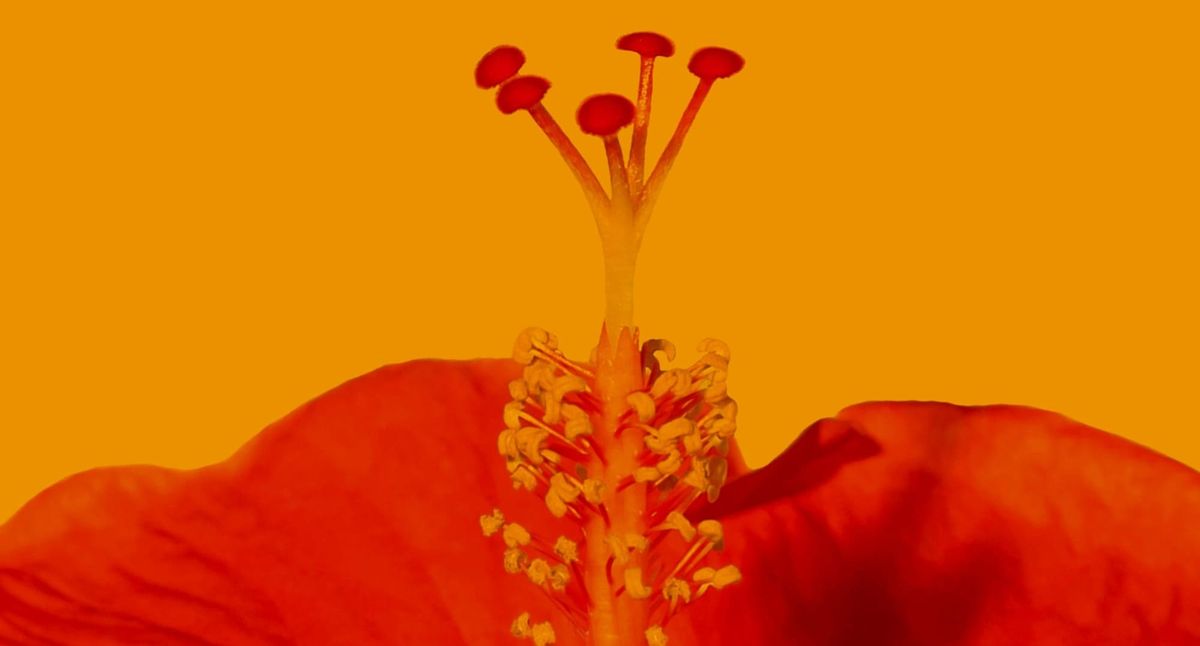
First a confession of ignorance. I’d always assumed hibiscus tea was made from the big showy flowers you see draped over garden walls on holiday. Wrong plant and wrong part. The drink comes from Hibiscus sabdariffa, a scruffier cousin known as roselle, and specifically from the fleshy red sepals that swell up after the petals fall off.
Half the world already drinks it. It’s karkade in Egypt, bissap in Senegal, zobo in Nigeria and agua de jamaica in Mexico. It contains no caffeine at all so it won’t wire you up or keep you awake. What it does contain is a rich load of the deep red plant pigments called anthocyanins, and those pigments are where the science gets interesting.
The taste? Sharp, fruity and somewhere between cranberry and rhubarb. Delicious hot and even better cold with a spoonful of honey. Which matters, because a health drink you don’t enjoy is a health drink you’ll abandon by Thursday.
The blood pressure effect is real
Here’s the part that genuinely impressed me. Hibiscus and blood pressure isn’t one lonely study. It’s more than 25 clinical trials, and reviews that have combined their results keep landing in the same place.
A 2015 review that examined five trials found hibiscus dropped the top number of a blood pressure reading by about 7.5 points on average. A bigger 2022 review of 17 trials found around 7 points, rising to 10 when hibiscus was measured against a dummy drink. In a trial at Tufts University three cups a day for six weeks did the job in people with mildly raised readings. For context a drop of that size is roughly what a low-dose blood pressure tablet achieves.
It gets bolder. Mexican researchers ran head-to-head trials against captopril and lisinopril, two widely prescribed blood pressure drugs, and the tea held its own. That’s not a fluke of one measurement either. The lisinopril trial showed hibiscus lowered the same blood enzyme the drug targets, an enzyme that tells your blood vessels to tighten. The tea also nudges the kidneys to let go of salt without flushing out potassium the way some water tablets do.
So what does this mean for you? If your blood pressure runs a bit high and you’re not on medication this is one of the better-evidenced things you can try from a supermarket shelf. Two to three decent cups a day for at least a month. If you already take blood pressure tablets the two effects stack, so loop in your doctor first.
One honest caveat before we move on. The trials are mostly small and short and the strictest reviewers still grumble about their quality. The effect also fades within days of stopping. This is a habit, not a cure.
What else it might do
The blood pressure story is the headline act but hibiscus has a supporting cast. A British study found a glass of hibiscus with a starchy meal flattened the blood sugar spike that follows, because compounds in the tea slow down the enzyme that breaks starch into sugar. Useful to know if you’re watching your blood sugar.
A small Thai study found it helps the body flush out uric acid, the stuff behind gout. Some reviews also find a modest drop in LDL, the less friendly kind of cholesterol, though other reviews find nothing and I’d file that one under promising rather than proven.
And the weight loss claims you’ll see attached to hibiscus? A 2024 review of six trials found no meaningful effect. I’d love to tell you otherwise. The data won’t let me.
So does it sharpen your brain?
This is the claim that sent me down the rabbit hole, so I’ll give it to you straight. The research has only just begun.
The first human trial was published in 2025 by a team at the University of Leeds. Twenty adults had a single hibiscus drink with a meal and then sat memory tests. The usual after-lunch dip in recalling words was measurably softened in the hibiscus group. One small study and one dose, but a real signal from real people.
There’s a deeper reason scientists are curious. Hibiscus contains a rare plant compound called gossypetin, and in a striking 2022 Korean study it switched the brain’s cleanup cells back into clearing away the sticky protein clumps linked to Alzheimer’s. Memory improved in the mice tested. Mice are not people and the doses were far beyond a teacup, so nobody should read that as a treatment. Read it instead as the reason this plant is now on the neuroscience radar.
Add the indirect route and the picture gets more plausible still. Steady blood pressure and steadier blood sugar are two of the best-established protectors of long-term brain health. A drink with decent evidence for both has earned the benefit of the doubt while the brain research catches up.
So where does that leave us? The brain claim is unproven but far from dead. And given the other benefits, the lack of caffeine and the fact that it tastes delicious, there’s no harm in giving it a try while the scientists get on with it.
Don’t take my word for it. Test it on yourself.
Here’s where you get to be your own laboratory. Elsewhere on this site I’ve built twelve cognitive testing tools that measure things like memory, attention and reaction time, and each one gives you a results table you can paste straight into a spreadsheet.
So run your own trial. Take a handful of the tests every couple of days for two weeks to get your baseline. Then drink two to three cups of hibiscus daily for four weeks and keep testing at the same time of day. By the end you won’t be relying on my reading of the research or anyone else’s. You’ll have your own numbers.
That’s a better experiment than most of us ever get to run on ourselves.
A few sensible cautions
Hibiscus has a clean safety record in trials but it’s not for everyone. Skip it entirely if you’re pregnant or trying to be, as it has a traditional reputation for triggering periods and there’s no safety data. If you take blood pressure medication talk to your doctor because the effects add together. It also blunts one antimalarial drug called chloroquine, so keep the two well apart.
Two more quiet ones. The tea can reduce how much iron your body absorbs from plant foods, so if you’re prone to anaemia don’t drink it with iron-rich meals or supplements. And keep it to a few cups rather than litres because the brew carries more manganese than most drinks.
The bottom line
Brew two to three cups of hibiscus a day, using around a heaped teaspoon (roughly 1.5 to 3 grams) of dried hibiscus per cup. Look for Hibiscus sabdariffa, sometimes sold as roselle or flor de jamaica, and keep it up for at least four weeks. That’s the dose and duration the successful blood pressure trials used, and doses below a single gram a day did nothing. If your blood pressure runs high expect a drop of somewhere around 5 to 10 points on the top number. The brain benefits are early-stage and unproven, but you can put them to the test yourself with the cognitive tools on this site. I’d love to hear what your spreadsheet says. If you’re pregnant give it a miss, and if you’re on blood pressure medication bring your doctor into the conversation first.